





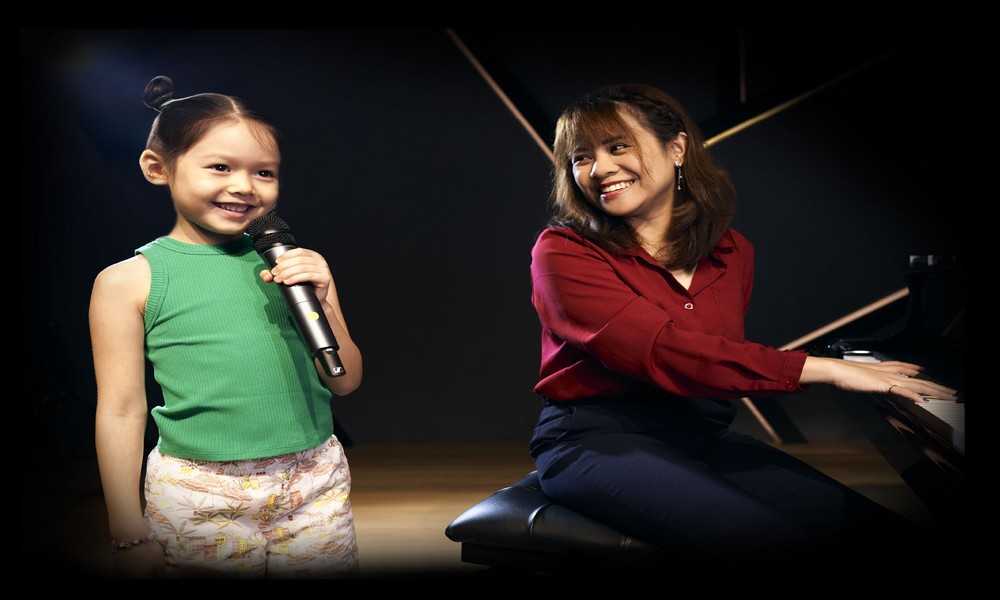
Vocal lessons in Singapore attract students from all backgrounds, from office workers who hum along to the radio to performers preparing for their first open mic night. Learning to sing well requires technique, and technique takes guided practice. A trained vocal coach spots habits you cannot hear yourself and gives you specific exercises to correct pitch, breath control and tone quality. Whether you have sung for years or never tried, structured lessons change the way you use your voice.
What Vocal Lessons Cover
A good vocal programme breaks singing into components you can practise one at a time. Most schools in Singapore teach the following areas.
- Breathing technique – you learn to support notes from your diaphragm rather than straining your throat
- Pitch accuracy – exercises help you hit and hold notes without drifting flat or sharp
- Vocal range expansion – gradual drills push your comfortable range higher and lower over time
- Tone quality – coaches work on resonance so your voice carries without force
- Song interpretation – you learn to deliver lyrics with emotion and phrasing that connects with listeners
These skills build on each other. Breathing supports pitch. Pitch supports tone. Tone supports interpretation. A structured programme stacks them in the right order so you progress without forming bad habits.
Why Adults Are Signing Up
Singing is no longer reserved for children in school choirs. Adults across Singapore are booking vocal lessons to develop a skill they always wanted but never pursued. Some join because they want to sing at a friend’s wedding. Others sign up after realising that karaoke sessions would feel better with proper technique.
Adult learners bring discipline and focus to the classroom. They ask pointed questions. They practise between sessions. Vocal coaches who work with adults tailor their approach to match the student’s goals, whether that means preparing for a performance or gaining enough confidence to sing in front of family.
As former President Tony Tan once said, “The pursuit of excellence is a lifelong journey.” Singing follows the same principle. You do not master it in a week, but each lesson moves you closer to the sound you want.
Choosing the Right School
Singapore has dozens of music schools offering vocal training. The right one depends on your goals, schedule and budget. Consider these factors when comparing options.
- Teacher credentials – look for coaches with formal music training or professional performance experience
- Lesson format – some students prefer one-on-one sessions, while others thrive in group classes
- Genre focus – confirm the school teaches the style you want, whether pop, jazz, classical or musical theatre
- Trial lessons – reputable schools offer trial sessions so you can test the fit before committing
- Location and timing – choose a school with lesson slots that match your work or family schedule
A school that pushes you into a long-term contract before your first lesson deserves scepticism. The better operators let their teaching quality speak for itself.
What to Expect in Your First Lesson
Your first session focuses on assessment. The coach listens to you sing, checks your posture and breathing patterns, and identifies areas for improvement. There is no judgement involved. Every singer, from beginners to professionals, has something to work on.
Expect to do warm-up exercises that feel unfamiliar. Scales, lip trills and humming drills prepare your vocal cords for more demanding work later. Your coach may record short clips so you can hear your progress over time. This feedback loop keeps you motivated and gives you a clear benchmark to measure against.
Group Classes Versus Private Lessons
Both formats have their strengths. Private singing lessons in Singapore give you undivided attention from the coach, which accelerates progress on specific weaknesses. Group classes cost less per session and add a social element that keeps students engaged.
- Private lessons – best for students with specific goals or performance deadlines
- Group classes – best for beginners who want a supportive environment and lower commitment
Some students start in group classes to build foundational skills, then switch to private lessons when they want to refine their technique. Your school should support that transition without penalising you.
Practising Between Sessions
Progress in vocal training depends on what you do between lessons. Your coach will assign exercises, and you should practise them for at least fifteen to twenty minutes daily. Short, consistent sessions produce better results than one long session crammed in the night before your next class.
- Warm up before practising, even at home
- Record yourself and compare recordings week to week
- Drink plenty of water to keep your vocal cords hydrated
- Avoid whispering, which strains the voice more than speaking at normal volume
Treat your voice like a muscle. It gets stronger with regular, careful use and weaker with neglect or misuse.
Getting Started
Vocal lessons in Singapore give you access to trained coaches, structured programmes and a community of fellow learners. Pick a school, book a trial lesson and bring a song you enjoy. You do not need experience or natural talent to start. You need commitment and a coach who knows how to draw the best sound out of your voice. With consistent effort, vocal lessons singapore turn hesitant singers into confident performers who enjoy every note.